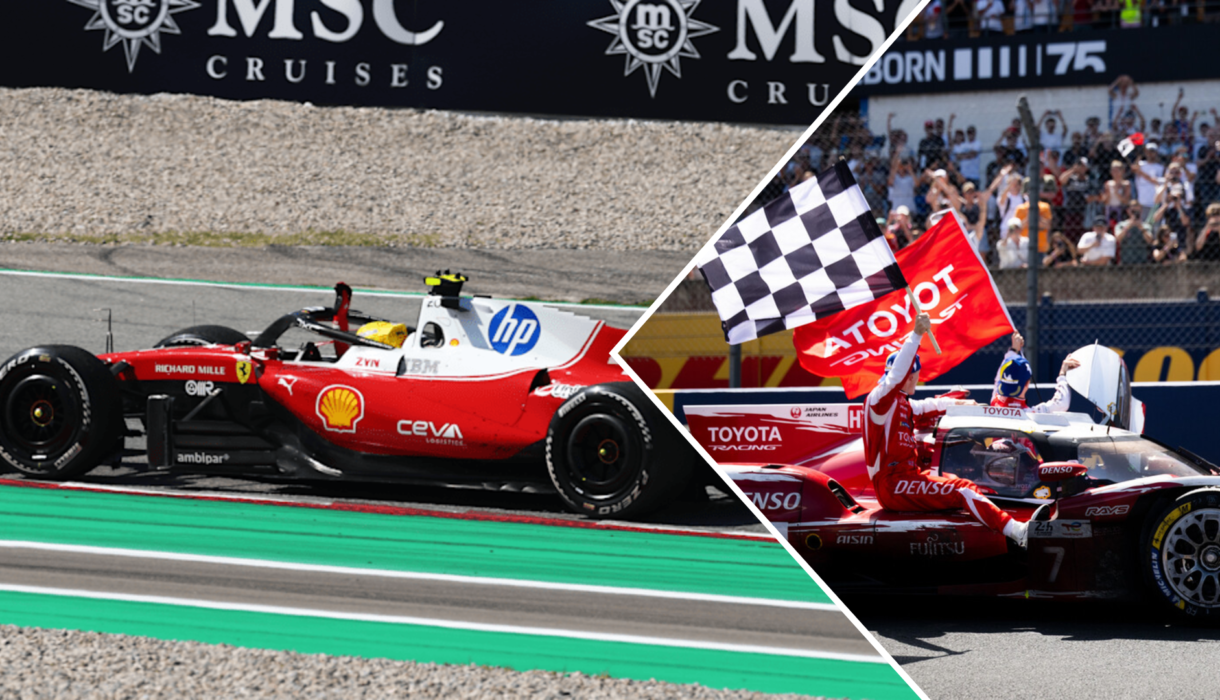

The most recent Formula 1 Grand Prix in Barcelona and the 24 Hours of Le Mans showed that even in the modern age of racing, it remains an integral part and a stunning one to look as well
It’s no secret that we live in a modern motorsport environment. One where close racing to the finish line is the need, at whatever cost.
Just look at today’s Formula 1. Budget caps, restrictions everywhere, control tyres from one sole supplier, the ADUO system for engines, which in essence is a Balance of Performance (BoP) equivalent. The FIA, FOM, Liberty Media etc. all aspire for ”the show” to be a spec series, without being one.
Follow Motorsport Storyteller on Facebook
In this world where sliding scales for wind tunnel time and engine development exist, there ususally is no place for old-school strategies to work. Pit-stop cycles rarely last for more than a few laps, as the leader nearly always pits the lap after the chaser, to avoid losing place.
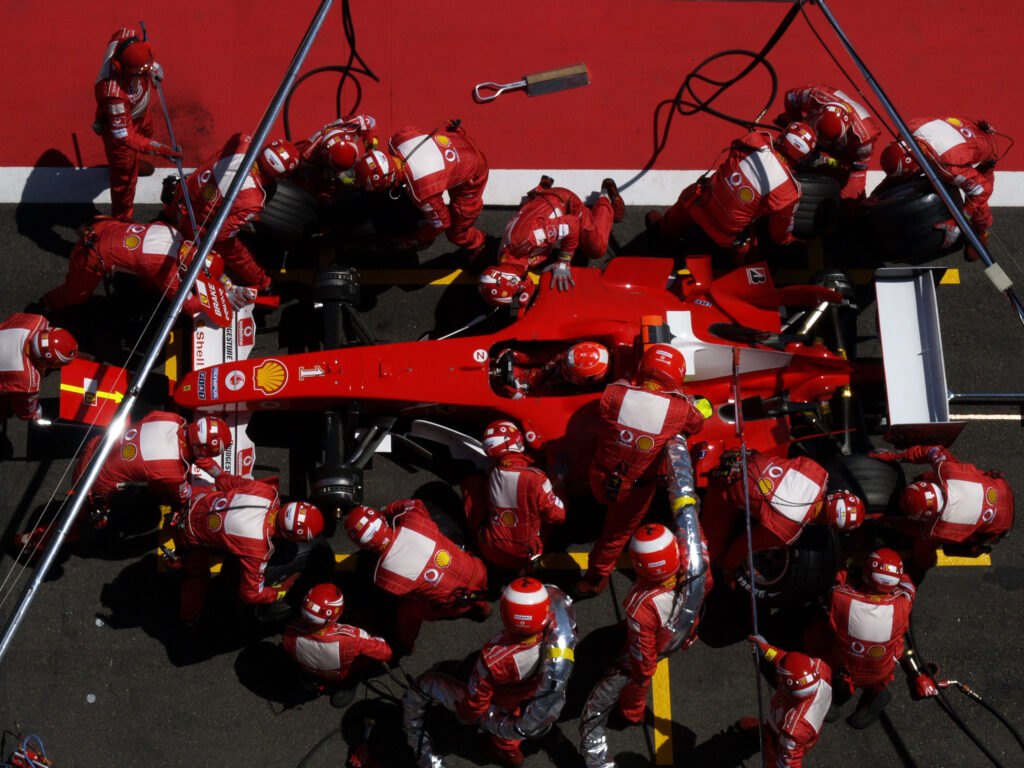
Due to all 22 cars now having the same stable fuel loads from the start of the race, something in place since the banning of re-fuelling after the end of the 2009 season, it is tough to try and execute something crazy, like the famous 2004 French Grand Prix four-stopper that won the race for Michael Schumacher, or any other 80’s, 90’s or 2000s example.
Even so, i found it fascinating (as the title suggests) to watch Ferrari of all teams, perform a strategic masterclass in the big 2026. Obviously there are some caveats. Mercedes struggled more than anticipated during race day, with George Russell in particular, suffering with a wrong front-wing flap adjustment after the second pit-stop.
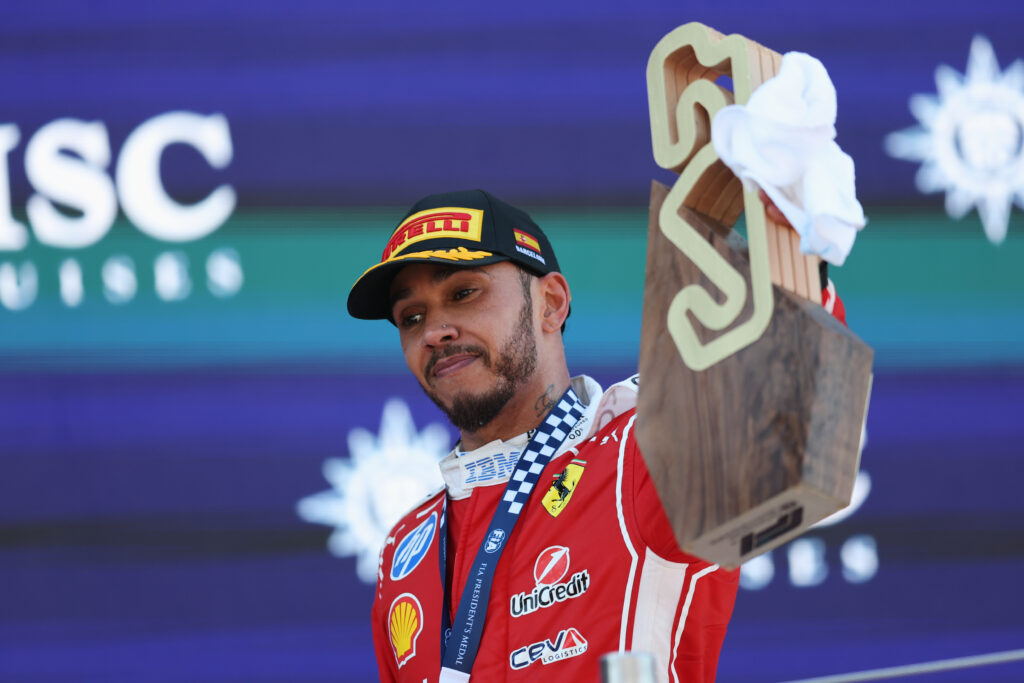
Also the Virtual Safety Car (VSC) on lap 41 gave Lewis Hamilton and Ferrari a helping hand, although he was already likely to win the race. Like him or not, Hamilton provided us with a masterclass in championship-level driving at Barcelona. But the way it played out, nearly the same one as Max Verstappen’s 2025 strategy that failed to pay off, was what truly excited me as a motorsport fan first and a journalist second.
The same experience occured while watching the 24 Hours of Le Mans. Watching Toyota essentially do the same thing as BMW at Spa and try to make it to the front from their starting positions of 14th and 15th on an offset strategy, getting advantage of clear air.
What then unfolded over the majority of the race, was a battle of lap times, fuel and tyre conservation, traffic management and of course luck, among all other aspects, between Cadillac, BMW and Toyota. Surely the Toyotas were helped massively by the safety car bunching up the field at night and from the retirement of the No.38 Hertz Jota Cadillac, which was amongst the favourites to win, having led for portions of the race.
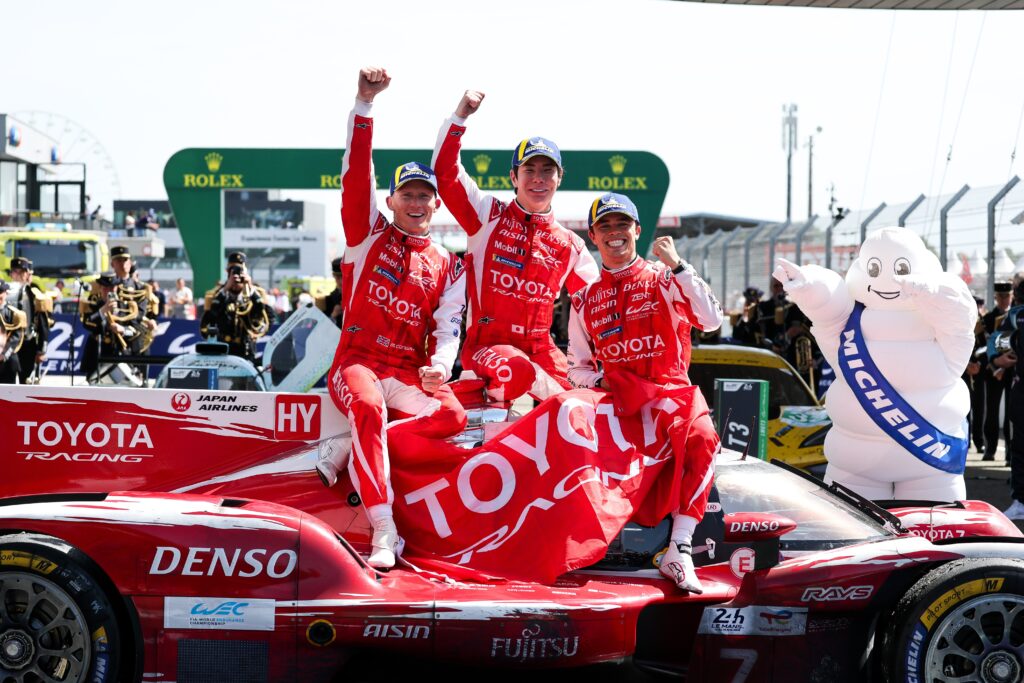
But still, things remained unclear all the way up until the last hours and the achievement of getting a win from so low back on the grid, is a remarkable one and strategy played a huge role, even if the usual ”BoP” arguments will inevitably be made by fans, making it possible for the No.7 Toyota trio of Kamui Kobayashi, Mike Conway and Nyck de Vries to win and for the sister No.8 car of Sébastien Buemi, Brendon Hartley and Ryō Hirakawa to stand on the podium in 3rd place.
Newer ”TikTok era” fans, may be bored by not much overtaking, or by not constant crashing, overtaking or action of any kind, but either way you looked at this past weekend, be it Hamilton’s Ferrari breakthrough or Toyota’s triumph, strategy, that unfancy data crunching and calculating parameters thing, reigned supreme, aiding the respective drivers to glory and racing immortality.
Read more about who i am by clicking here